Guide to Getting a Bachelors Abroad
Managing the path to securing a undergraduate degree in a foreign country requires thorough evaluation of multiple factors. Applicants need to consider institutions and nations based on learning quality, scholarship availability, and cultural alignment. Gaining clarity on visa regulations is essential for a successful adjustment. Still, the adventure encompasses much more than planning. Acclimating to new settings and preserving ties to one's homeland play crucial roles in shaping the experience. What challenges and opportunities await students on this path?
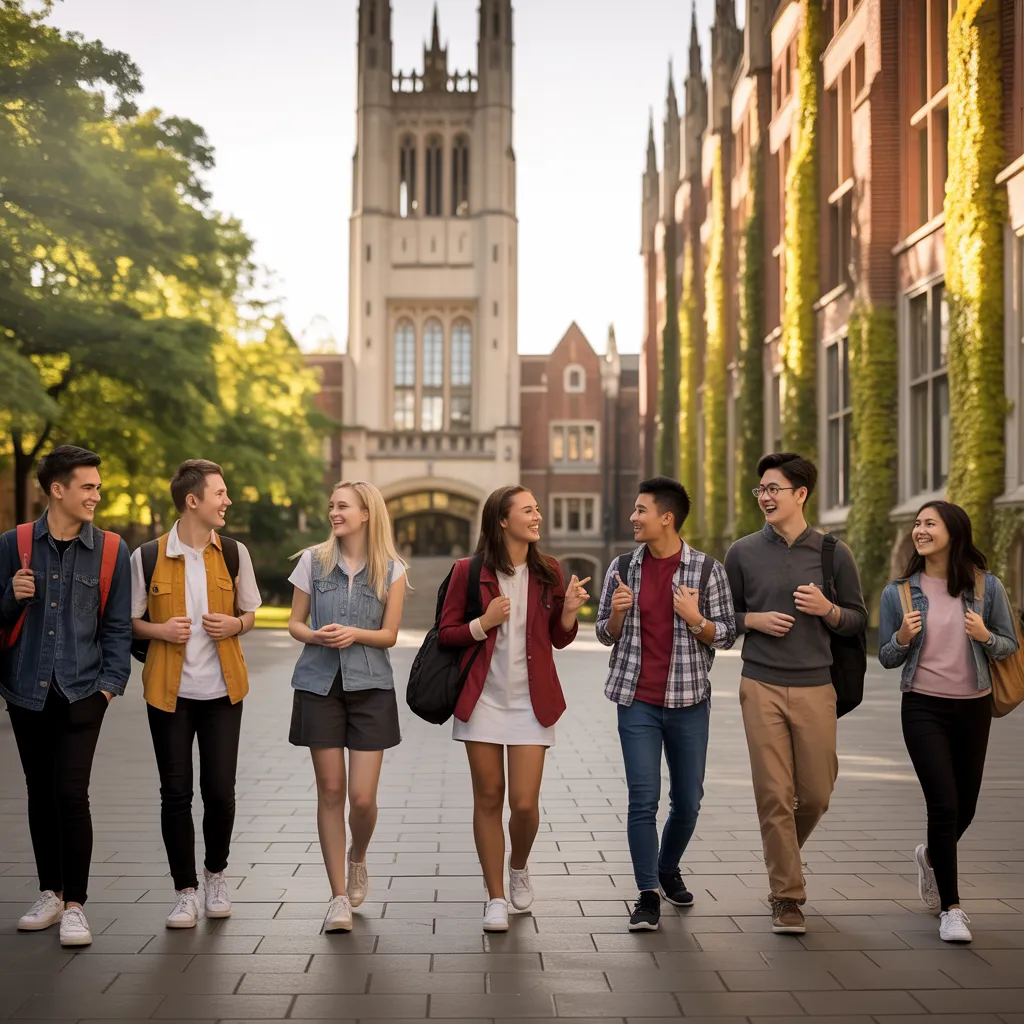
What Criteria Should You Consider When Deciding on a Country?
When choosing a country for a bachelor's program abroad, what important factors should be taken into account? First, the educational quality is the highest priority; future students ought to investigate academic rankings, faculty qualifications, and the coursework's alignment to their chosen discipline. Additionally, language is a significant factor; students need to assess whether they are comfortable studying in the regional language or if programs in English are available.
Cultural compatibility is another important consideration; comprehending the local society, traditions, and way of life can significantly shape the overall experience. Additionally, safety and political stability are essential considerations; students should explore the country's reputation for safety and the current political climate. Finally, proximity to home and travel opportunities can affect personal preferences and overall satisfaction. By weighing these factors carefully, students can make informed decisions that align with their academic and personal aspirations.
How to Acquire Funding and Scholarships for an International Study Experience
Acquiring funding and scholarships is vital for those seeking a bachelor's degree in a foreign country. A wide range of scholarships can be found, serving a variety of needs and academic backgrounds, and being aware of these choices can considerably boost financial feasibility. Furthermore, employing proven application techniques can enhance the probability of success in the highly competitive scholarship environment.
Scholarship Types Available
While obtaining a bachelor's degree abroad is often a life-changing journey, understanding the types of scholarships available is vital for controlling financial obligations. Numerous scholarships are designed to meet varying needs and conditions. Scholarships based on merit recognize outstanding academic performance, while financially focused scholarships support students facing economic difficulties. Some institutions offer specific scholarships for international students to encourage diversity. Furthermore, government-funded scholarships, such as Fulbright or Chevening, provide considerable support for study abroad. Independent organizations and charitable foundations further supply funding via scholarships focused on specific more information sectors or locations. Finally, some countries offer scholarships to attract foreign talent, making higher education more accessible. Exploring these options can greatly ease the financial burden of studying abroad.
Tips To Help You Succeed With Your Application
Mastering the scholarship application process can significantly improve a student's prospects for receiving funding for studying abroad. To enhance their chances, students should begin by researching various scholarships that match their academic goals and personal backgrounds. Writing a strong personal essay is essential; it should precisely express goals and ambitions. In addition, acquiring compelling endorsements from instructors or academic supervisors can provide valuable support. Students must also carefully observe application timelines and criteria, ensuring that all materials are submitted promptly. Moreover, highlighting pertinent accomplishments, such as community service or work placements, can make an applicant stand out. Finally, keeping a systematic method allows for careful tracking of applications and follow-ups, ultimately increasing the chances of receiving financial aid.
Comprehending Visa Requirements for Your Desired Country
Comprehending visa criteria is essential for students preparing to study in a foreign country. Various countries offer different categories of student visas, each with specific criteria and application processes. Working through these stipulations can greatly impact a student's opportunity to advance their education abroad.
Different Types Of Student Visas
Maneuvering through the world of student visas is essential for individuals planning a college education abroad. Countries around the world have various types of student visas, each with distinct requirements and privileges. For illustration, the F-1 visa in the United States permits students to engage in full-time studies, while the Tier 4 visa in the United Kingdom functions in much the same way. Certain nations, like Canada and Australia, offer dedicated visas allowing students to engage in part-time employment while studying. Furthermore, various countries could have unique stipulations based on the length of the program or whether the educational institution holds proper accreditation. Grasping these distinctions is essential for aspiring international learners to secure proper compliance and identify the most suitable visa for their academic pursuits.
Summary of the Application Process
Working through the application process for a student visa requires careful attention to the specific requirements of the chosen country. All nations have distinct regulations, documentation, and timelines that must be complied with. In most cases, applicants are required to gather essential documents such as proof of enrollment, financial statements, and health insurance. Moreover, some destinations may mandate a language proficiency test or a medical examination.
It is essential for prospective students to initiate the application process well in advance, as visa processing times can differ significantly. Familiarizing oneself with the embassy or consulate's guidelines is also critical, as they offer thorough instructions along with the latest updates on requirements. Ultimately, thorough preparation guarantees a smoother passage to studying abroad.
How to Pick a University That Supports Your Goals?
How does one go about choosing a university that suits their educational and career objectives? To begin, prospective students should clarify their personal objectives, such as preferred fields of study and intended career directions. Exploring universities that provide excellent curricula in those particular fields is a critical step. They can utilize online resources, academic rankings, and alumni networks to assess the quality of education offered.
Additionally, factors such as campus culture, location, and extracurricular opportunities deserve careful consideration. A nurturing campus culture can substantially elevate the overall experience. Moreover, aspiring students should examine the university's relationships with field-specific industries, as internships and networking opportunities can prove essential to career development.
In conclusion, factoring in financial considerations, including academic fees and accommodation costs, is essential. By assessing these considerations, applicants can form educated judgments that correspond with their ambitions, promising a satisfying and enriching academic pursuit internationally.
Navigating Cultural Differences in Your New Setting
When adjusting to a new culture can be daunting, acknowledging the variations can lead to rewarding experiences. People studying in foreign countries often encounter novel social customs, forms of communication, and societal standards that may seem daunting at first. To handle these cultural changes, it is vital to tackle unfamiliar situations with an unbiased perspective and a willingness to learn. Building relationships with locals, participating in cultural events, and seeking friendships with locals can develop stronger insight and gratitude of the host culture.
Furthermore, striking a balance between upholding one's own cultural identity and adjusting to the new environment is essential. Curiosity and open communication can help close divides and reduce feelings of loneliness. As individuals embrace the uncharted, they often develop inner resilience and remarkable adaptability, capabilities that are priceless both personally and professionally. Ultimately, these experiences can enrich one's education and broaden perspectives, making the pursuit of international education remarkably life-changing.
What Can You Expect While Studying Abroad?
Pursuing studies overseas presents a remarkable mix of excitement and uncertainty, as scholars commonly end up in unfamiliar educational and cultural environments. These individuals could face diverse instructional approaches, which could range from cooperative team projects to self-directed studies. Learners ought to anticipate differing requirements related to involvement and due dates.
On a social level, the transition can be similarly impactful. New bonds and connections may develop, but adapting to different cultural practices and interaction patterns can pose significant hurdles. Initially, students could feel disconnected or longing for home, but these sentiments frequently subside as they integrate into their new communities.
Additionally, dealing with day-to-day living, like understanding public transit systems and regional traditions, can be overwhelming yet beneficial. Students should expect to develop critical thinking abilities and adaptability as they acclimate to their new environment. Ultimately, the process nurtures a broader worldview and personal growth, rendering the difficulties worthwhile.
How to Stay Connected With Home During Your Studies
Maintaining connections with home during studies abroad is crucial for mental health and personal support. Students can utilize technology to bridge the distance, using video conferencing, chat applications, and social media channels to share experiences and keep loved ones updated. Scheduling regular catch-up sessions can create a comforting routine, helping to manage the difficulties of learning in an unfamiliar setting.
Moreover, students are encouraged to joining regional expatriate communities or networks, which can supply a support network and mutual experiences. Sending postcards or care packages can also strengthen ties and provide a tangible connection to home. Participating in cultural activities that connect them to their heritage, such as preparing cultural dishes or honoring traditions, nurtures a feeling of belonging. By consistently nurturing these connections, students can elevate their overall international study experience, ensuring they feel supported and less isolated during their educational journey.
Common Questions and Answers
What Are the Best Countries for International Students?
Many nations are celebrated for accommodating international students, including the United States, Canada, the United Kingdom, Australia, and Germany. These countries provide a wide range of programs, rich cultural experiences, and pathways for academic and personal development.
How Do I Locate Student Accommodation Overseas?
To locate overseas student housing, one should investigate university-provided accommodation, online rental platforms, and community rental listings. Connecting with other students and requesting advice can likewise deliver useful information into ideal residential arrangements.
Can I Be Employed While Studying in a Foreign Country?
Absolutely, most international students have the ability to work while studying overseas, in accordance with visa regulations. Part-time employment often provide worthwhile practical experience and help with everyday living costs, but juggling employment and academic duties is crucial for achieving academic goals.
What Health Insurance Do I Need for Studying Abroad?
Students pursuing education overseas typically require thorough medical insurance that covers repatriation, hospitalization, and medical emergencies. It is essential to check the host country's requirements and confirm the plan covers coverage for ongoing medical needs and pre-existing conditions.
How Can I Improve My Language Skills Before Leaving?
To improve language skills before leaving, one should commit to regular practice through online courses, apps, language exchange programs, and interactive experiences with native speakers. Reading books and watching films in the target language also helps greatly.